



Let talk follow your way!
Best price High quality Quick & efficient
Let talk follow your way!
Best price High quality Quick & efficient
If you’re planning a build or renovation in New Zealand, you’ve likely come across terms like GIB board, plasterboard, drywall, Gyprock and wondered if they all refer to the same thing. I get this question a lot because we spend a lot of time installing, fixing and finishing these boards throughout Auckland, Wellington and Hamilton. As the owner of Pro Fixing®, I want to clarify what GIB boards are, why they’re used so widely, and whether they differ from plasterboard or drywall.
The short answer is that GIB® boards are plasterboard. They’re a type of drywall used to line walls and ceilings. GIB® is a registered trademark in New Zealand, much like Gyprock is in Australia, but both are essentially the same product: plasterboard.
GIB boards (also known as GIB plasterboard or Gibraltar board) are made from natural gypsum encased in heavy-duty paper. The gypsum core is non-toxic and often paired with 100 percent recycled paper. Unlike some traditional drywall panels, GIB boards don’t rely on fly ash or coal derivatives as a filler. This makes them an environmentally friendly, sustainable building material.
Gypsum is a mineral that naturally resists fire. Its composition allows it to release water vapour under heat, slowing the spread of flames. The paper facing can be engineered to improve strength, moisture resistance and impact resistance. Together, these layers create boards that are lightweight, sturdy and easy to work with.
Different types of GIB boards are available to suit different situations: fire-resistant GIB for added safety, moisture-resistant GIB for bathrooms and kitchens, impact-resistant boards for high-traffic areas, and acoustic boards for sound insulation.
Plasterboard is the generic term for these gypsum-based boards worldwide. In the United States you’ll hear the word drywall. In Australia you’ll hear Gyprock. In New Zealand we commonly say GIB board because Winstone Wallboards (the brand behind GIB®) is the dominant supplier and trademark holder. So when people compare plasterboard vs GIB®, they’re talking about different names for the same material.
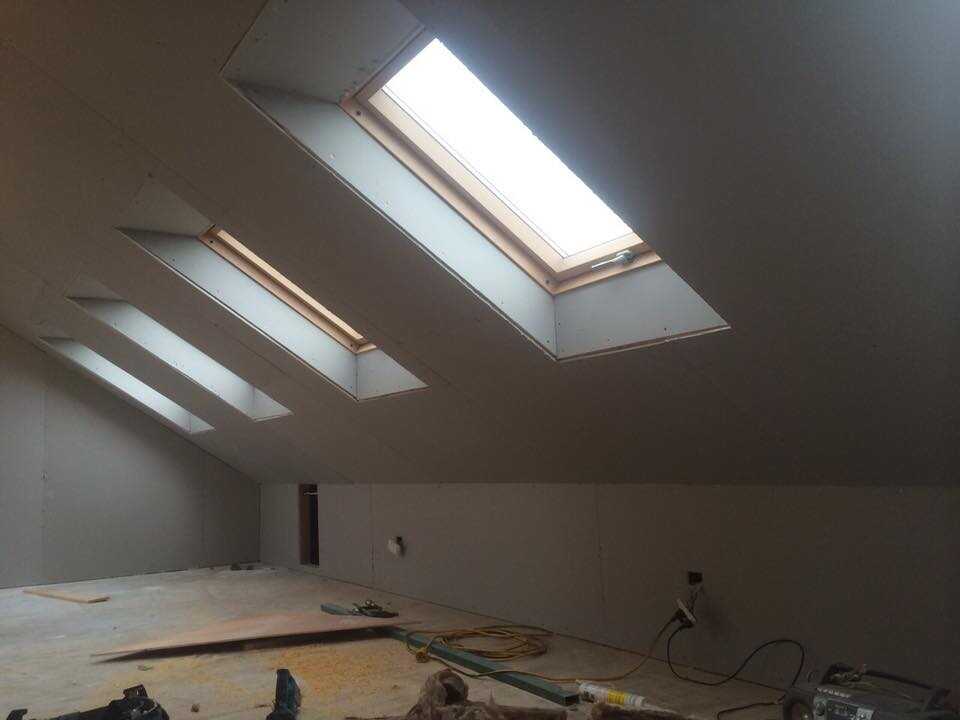
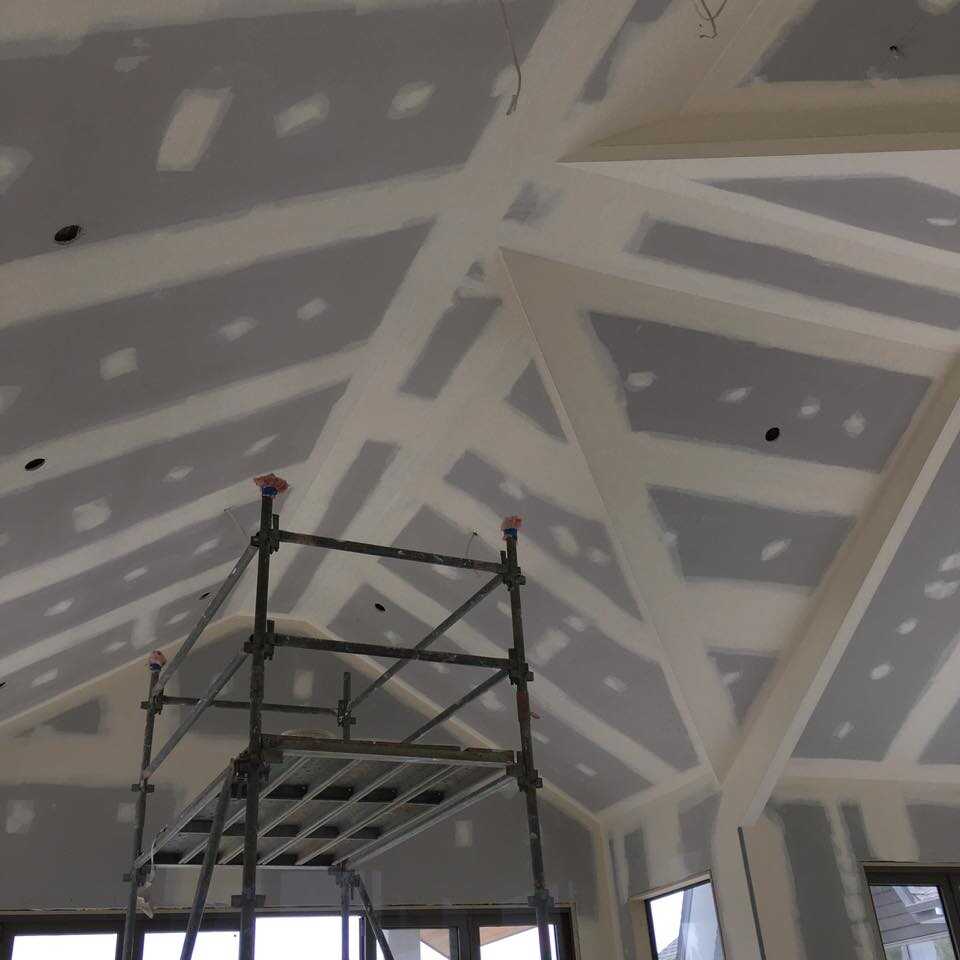
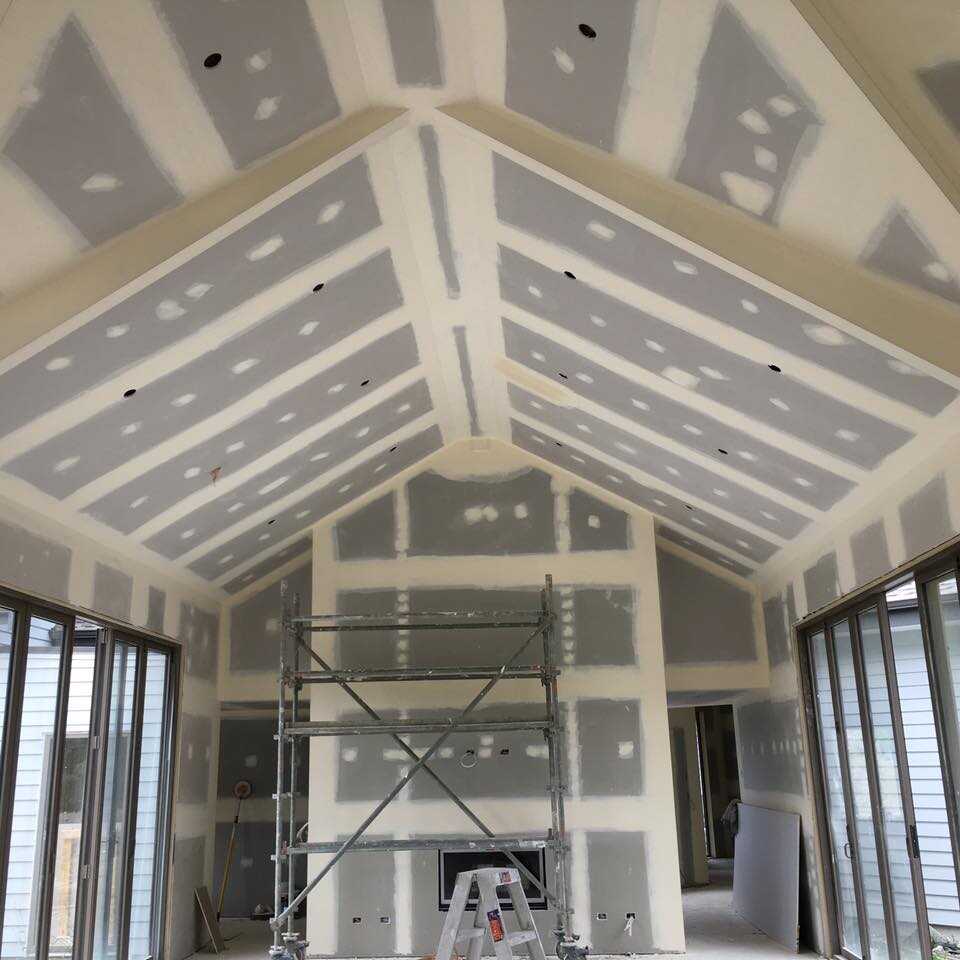
What matters most is choosing the right type for your project and having it installed correctly. The installation process is often referred to as GIB fixing, which is the cutting, fitting and securing of boards to framing followed by GIB stopping, where joints and screw holes are taped and filled to achieve a smooth surface.
There are several reasons why GIB boards (plasterboard) are the most popular wall and ceiling lining in New Zealand:
While cost varies depending on board type and thickness, using a quality product from a reputable supplier ensures durability and long-term value.
Installing plasterboard may look straightforward, but the quality of your finish depends on how well the sheets are fixed. Poor fixing can lead to cracks, ridges and sagging. Here are a few key things we take into account:
A professional GIB fixing and stopping team in Auckland understands these standards and applies them in every project. Once fixing is complete, our stopping team tapes and fills joints to Level 4 or Level 5 finish before sanding and priming. This ensures the paint or wallpaper looks flawless and there are no visible joints or screw heads.
From a materials perspective, GIB boards function like other plasterboard brands around the world. The differences lie in local manufacturing, quality control and the types available. GIB board is made in New Zealand to meet local standards and conditions, which is why many builders and homeowners prefer it. It’s also readily available from suppliers and hardware stores across the country.
If you’re comparing plasterboard suppliers, you’ll want to look at price, board types, environmental certifications, and warranties. Ask about moisture-resistant versus standard boards, thickness options and whether the supplier stocks fire-rated or acoustic boards. A good plasterboard supplier can answer these questions and help you choose the right product. Just remember: whatever you call it – GIB, plasterboard, drywall or Gibraltar board – the core material and function are the same.
Plasterboard installation does not happen in isolation. We often coordinate with electricians, plumbers, painters and other trades. For instance, painters rely on a smooth surface to achieve a perfect finish. After we stop and sand the joints, our painting contractors can prime and paint without worrying about ridges or imperfections. Similarly, plasterers may need to skim coat or repair walls before boards go up. If you have existing masonry walls that need smoothing, our plastering experts can create a suitable substrate.
You might also wonder how GIB boards compare with alternatives like solid plaster or concrete walls. Solid plaster can give a traditional textured look and is sometimes chosen for exterior cladding, but it is more labour-intensive and expensive. For most interior applications, plasterboard remains the best combination of efficiency, affordability and performance.
The plasterboard industry is always evolving. New boards are being developed with improved fire resistance, moisture performance, acoustic control and environmental credentials. Future GIB boards may incorporate smart materials or recycled content, making them even more sustainable. Advances in installation techniques also help reduce waste and improve efficiency. This is why plasterboard will remain a mainstay of the building industry for years to come.
GIB boards are plasterboard; they are simply branded for the New Zealand market. They are made from gypsum and paper, and they offer a range of performance benefits from fire resistance to sound insulation. If you call it GIB, plasterboard, drywall or Gyprock, you’re dealing with the same core product.
Choosing the right type of board and having it properly installed are what make the difference in your finished room. Our team at Pro Fixing can help with everything from selecting the right board to fixing and stopping, painting and finishing. We adhere to all relevant standards, coordinate with other trades and use high-quality materials to deliver a result that looks great and stands the test of time.
If you’d like to explore related topics like the difference between GIB stopping and plastering, read our blog on GIB stopping versus plastering. And when you’re ready to start your next project, get in touch with us for expert advice.
Pro Fixing®: Best price, high quality, quick and efficient.









We have a large team of 86 highly qualified GIB® Fixers, Stoppers & Painters in Auckland, Wellington, Hamilton with more than 10 years experience. We are prepared for all jobs from residential to large scale commercial sites…Read More
Mon to Fri: 7AM - 5PM
Saturday: 8AM - 4PM
Sunday: Closed