



Let talk follow your way!
Best price High quality Quick & efficient
Let talk follow your way!
Best price High quality Quick & efficient
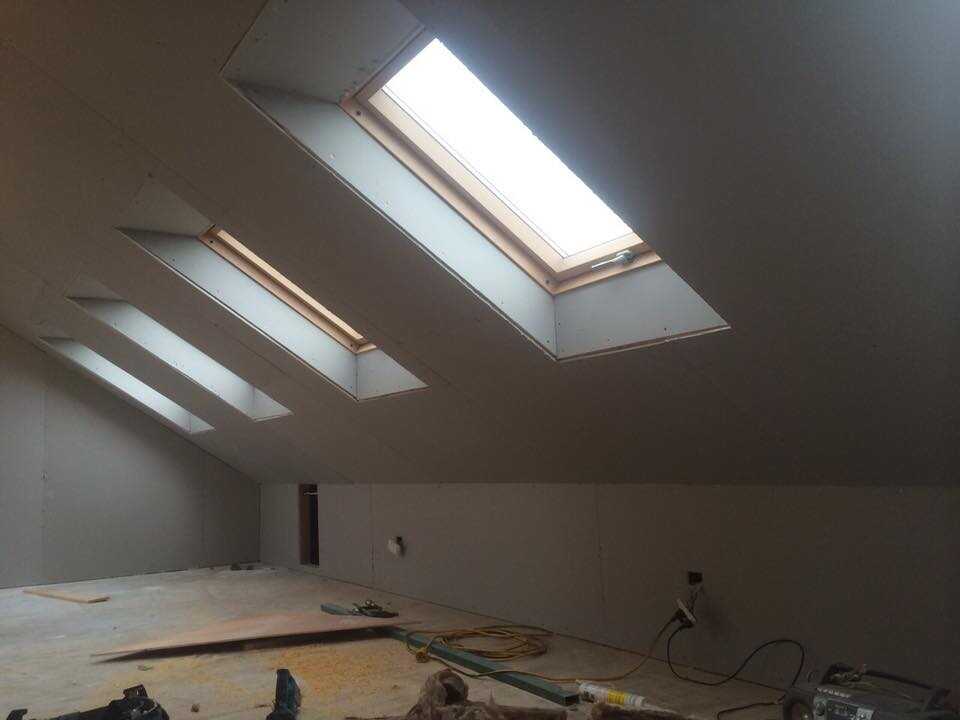
I’ve been on both sides of this relationship, quoting jobs as the subcontractor and, on the tools years ago, waiting on other trades to show up and do their part properly. A GIB® fixing subcontractor sets the pace for everything that follows on a build. The stopper, the painter and the trim carpenter all wait on how well and how fast the fixing gets done. If you’re a builder choosing a fixing crew for your next job in Hamilton or Wellington as well as Auckland, here’s what a good one should give you.
A proper fixing quote breaks down the board type, the square metreage, whether it includes ceilings as well as walls, and what’s excluded. If a quote just says “GIB® fixing” with a lump sum next to it, you don’t know what you’re comparing it against when the next quote comes in. We itemise board type, layers where a rating applies, and labour separately, so you know exactly what you’re paying for before the job starts.
We need the site dry, swept and accessible before boards go in, with framing checked and any last minute changes flagged before we start cutting. Turning up to a site that’s still got other trades working through it, or framing that hasn’t been signed off, is one of the most common causes of delay on a build, and it’s rarely the fixing crew’s fault when it happens. A good subcontractor tells you what they need from you upfront rather than discovering it on the day.
Plasterboard left out in the weather or stacked wrong on site absorbs moisture and softens, and it won’t perform the way it’s meant to once it’s fixed and stopped. We store and stack boards properly on every site, and if conditions aren’t right for fixing, we’ll say so rather than pushing boards up that are already compromised.
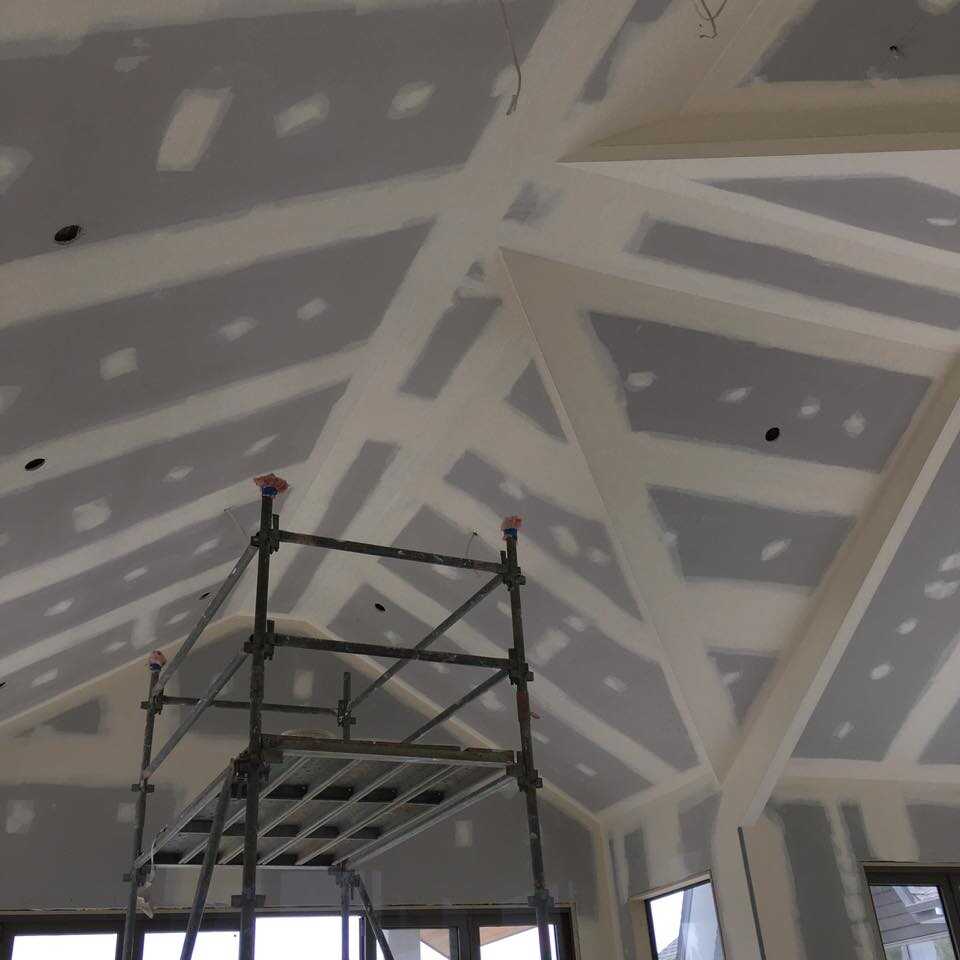
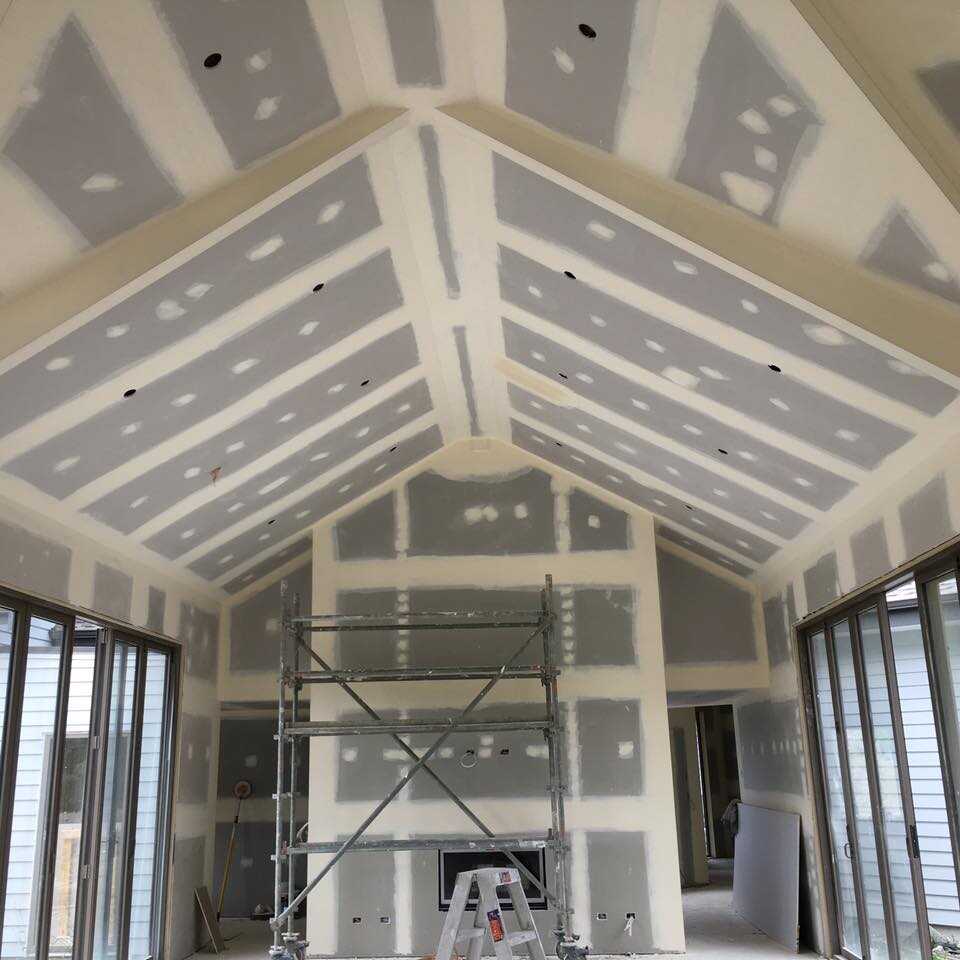
How the sheets are laid out affects how much stopping work comes after us, and how straight the final wall looks. Fewer joints generally means a better finish and less time for the stopper, which keeps your programme moving. We plan the layout before cutting starts, especially on longer runs and stairwells where a poor layout early on causes problems for every trade that follows.
Fixing isn’t finished until the site is ready for the next trade. That means screws set properly, no proud edges, and a walkthrough with the stopper or the site manager before we leave. We’ve written more about why fixing and stopping work best as one process rather than two separate handovers, in our post on combining plasterboard fixing and plastering services.
Builds change. Framing gets altered, a room gets reconfigured, a rated wall gets added late. What matters is how a subcontractor handles that. We flag a variation as soon as we see it rather than fixing to outdated plans and sorting out the difference later, because that costs everyone time a five minute conversation would have saved.
The builders we work best with aren’t the ones who check in every hour, they’re the ones who know they’ll hear from us if something’s off. We update on progress at agreed points rather than going quiet until the job’s done, and if we’re running behind because of weather or a supply delay on a particular board, we’ll say so early enough that you can adjust the rest of the programme around it rather than finding out on the day the stopper was due to start.
Every fixer on our crews is licensed and insured, and we carry the right cover for residential and commercial sites. That shouldn’t be something a builder has to ask twice for. If a subcontractor is cagey about providing this before the job starts, that’s worth noticing before you’re relying on them mid build.
We’ve fixed plasterboard on residential and commercial sites across Auckland, Hamilton and Wellington for over 15 years, with a team of 86 fixers, stoppers and painters and a dedicated project manager on every job. If you want a fixing crew that turns up when they say they will and hands over a clean site to the next trade, get in touch about your next project. Call 0800 246 789 or send through your programme and we’ll quote it properly.
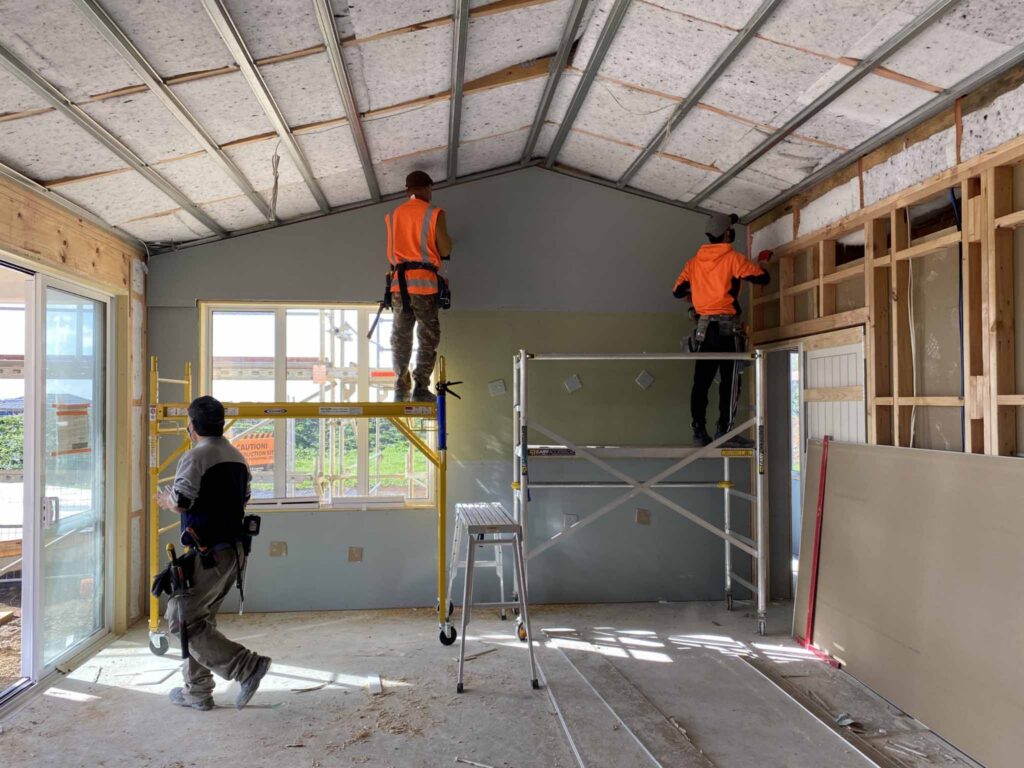













We have a large team of 86 highly qualified GIB® Fixers, Stoppers & Painters in Auckland, Wellington, Hamilton with more than 10 years experience. We are prepared for all jobs from residential to large scale commercial sites…Read More
Mon to Fri: 7AM - 5PM
Saturday: 8AM - 4PM
Sunday: Closed